CVSA Brake Safety Week: August 23-29
Brake Safety Week 2026 will take place August 23–29, 2026, across the United States, Canada, and Mexico. Organized by the Commercial Vehicle Safety Alliance (CVSA) to improve commercial vehicle brake safety.
Key Details
- Dates: August 23–29, 2026
- Primary Focus: Brake drum and rotor condition
- Vehicles Inspected: Commercial motor vehicles, including large trucks and buses.
- Inspection Locations: Weigh stations, roadside inspection sites, and other enforcement locations
- Enforcement Action: Vehicles found with brake-related out-of-service (OOS) violations may be removed from service until repairs are completed.
Focus Area: Brake Drums and Rotors
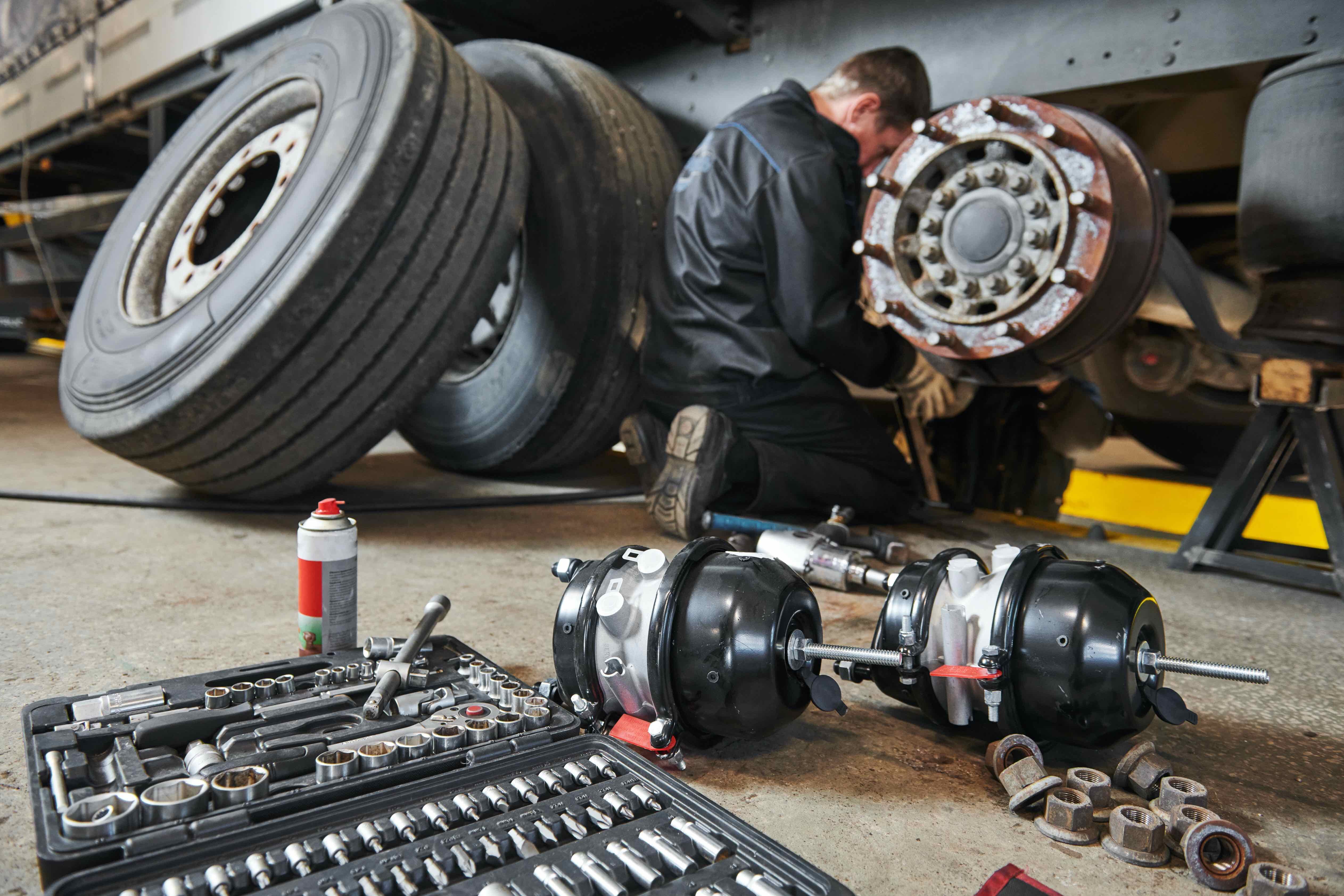
Inspectors will place special emphasis on the condition of brake drums and rotors, looking for issues that can compromise braking performance, including:
- Cracks
- Missing or damaged sections
- Excessive wear
- Heavy rust or corrosion
- Deep grooves indicating metal-to-metal contact.
- Exposed center vents showing rotor wear beyond acceptable limits.
Defective drums and rotors can lead to reduced braking efficiency, component failure, and increased crash risk.
Why Brake Safety Week Matters
Brake violations remain one of the leading causes of commercial vehicle out-of-service orders during roadside inspections.
Key industry findings show:
- Brake-related defects account for a significant percentage of OOS violations.
- Many brake violations are preventable through routine inspections and maintenance.
- CVSA also conducts an unannounced Brake Safety Day during the year, emphasizing the need for continuous compliance rather than seasonal preparation.
What Inspectors Look For
During inspections, enforcement personnel may assess:
- Brake drum and rotor condition.
- Brake adjustment.
- Air brake system operation
- Missing, damaged, or improperly installed components
- Evidence of excessive wear or unsafe modifications
All repairs should meet the manufacturer’s specifications and applicable regulatory requirements.
Preparation Tips for Fleets and Drivers
To reduce the risk of violations and out-of-service orders:
1. Conduct Thorough Vehicle Inspections
- Perform pre-trip and post-trip inspections consistently.
- Pay close attention to drums, rotors, pads, linings, and air brake components.
2. Address Defects Immediately
- Repair brake issues as soon as they are identified.
- Do not defer safety-critical maintenance.
3. Maintain Accurate Records
- Keep maintenance and inspection documentation current.
- Ensure Driver Vehicle Inspection Reports (DVIRs) are completed and retained as required.
4. Focus on Year-Round Compliance
- Treat Brake Safety Week as a benchmark rather than a deadline.
- Establish ongoing preventive maintenance programs.