
Winter is here and North America is already experiencing Winter weather: lower temperatures and snow, and fleets and owner-operators need to prep for wintry conditions.
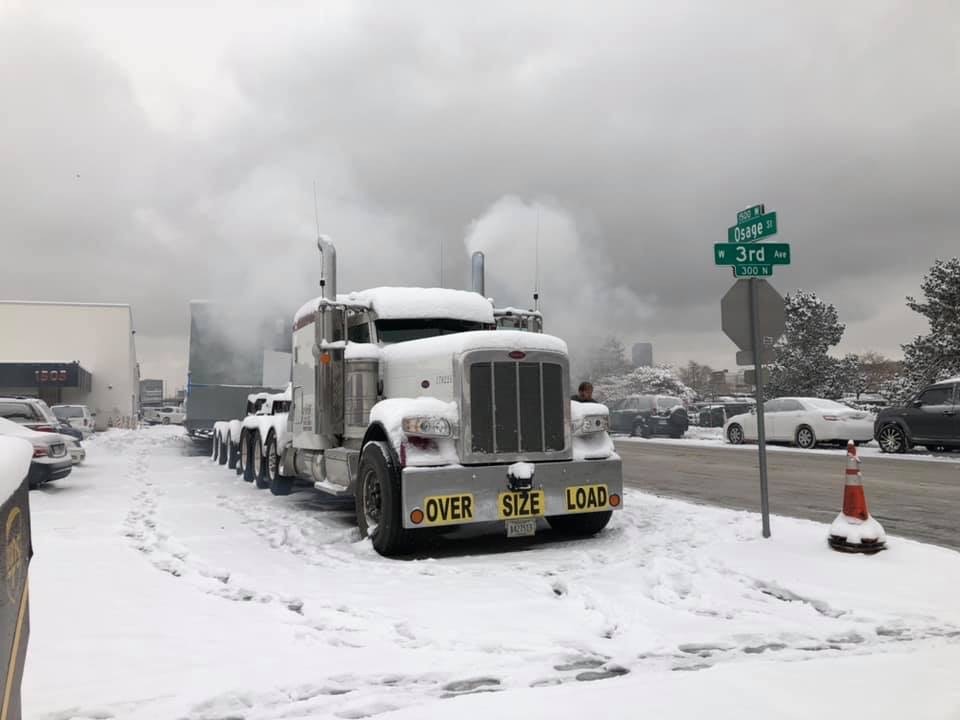
There are some essential truck driving and maintenance tips to follow for chilly conditions.
The below tips will remind truck drivers to travel smart.
- Carry chains and know how to put them on.
- Know before you go. Plan your route. Let someone know when you’re expected. Stay on state highways. Do not rely on GPS.
- Carrying an emergency kit that includes supplies of water and food, and blankets. Have a full tank of fuel and charge your phone.
- Get safely situated. Don’t wait until after a storm hits to get on the road. Get to your destination before conditions turn nasty and unsafe.
- Travel smart. If possible, consider waiting until a storm passes.
- Look out for each other. If you must drive, remember cyclists and pedestrians are harder to see in a storm. If you’re biking or walking remember that cars don’t stop quickly on snow and ice.
- Leave early. It’s smart to allow plenty of time to get where you’re going. In severe weather, closures and crashes can cause long delays.
- Check on any appointments before you leave. Offices and businesses may close due to the weather.
- Beware of outages. If a storm knocks out power to traffic signals, treat intersections like an all-way stop. The driver who stops first goes first.
- Watch for plows. Sand trucks, plows and deicer trucks can’t clear roads clogged with traffic.
Truck drivers are urged to check highway conditions in all states before starting their trip.
Maintenance Tips
Braking systems
Winter can be tough on various components of air-braked systems due to added moisture on the roads from snow and ice. So prepping wheel-ends and air dryers for winter with some simple steps can keep moisture, contaminants and corrosion from occurring.
- Start by draining air tanks of moisture and potential contaminants.
- Check the chamber housings for corrosion or damage that could allow corrosive materials to take hold. Excessive corrosion can lead to failure of the housing.
- Also verify that the chamber’s dust plug is properly installed to prevent contamination of the interior.
- Lubricate! Lubrication keeps moisture at bay and will battle corrosion. Make sure all automatic slack adjusters are properly greased, and lubricate the clevis pin connection points, verifying that they rotate freely. Ensure that other drum brake components are also lubricated, including cam tubes, shafts, and bushings.
- Visually inspect air disc brakes or ADBs, checking the chamber housings and dust plug. Next, inspect the guide pins and look for cuts or tears on the boots, replacing them if necessary. Ripped or punctured boots can allow contaminants and moisture to enter the caliper, causing corrosion and long-term damage.
- In cold or harsh climates, it’s a good idea to replace air dryer cartridges ahead of the winter months to prevent moisture from getting into the system and causing air brake freeze-up.
Battery & Electrical
- Visually inspect batteries and clean off corrosion for the battery’s longevity and reliability.
- Remove the terminals from the battery and wipe a water and baking-soda mixture onto the corroded areas
- Avoid any breakdowns and test your battery. Use a tester that applies a load. In essence, a load mimics the strain placed on the battery by the starter and auxiliary items.
Questions? Contact Medallion Transport & Logistics
Medallion’s Safety Team is ready to assist with driver education, safety and training to ensure the company’s fleet is safe on the road and compliant with the latest laws. For questions about driver safety, give us a call at 704-235-0460, ext 2004 or send us an email to safety@medalliontrans.com.